
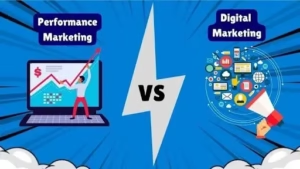
The digital world has changed the way businesses communicate, promote, and sell their products or services. In earlier times, businesses depended mainly on traditional advertising methods such as newspapers, television commercials, magazines, banners, and radio promotions. While these methods still exist today, modern businesses now focus more on online marketing because customers spend most of their time on the internet. Understanding digital marketing vs performance marketing can help businesses choose the right strategy for their goals.
This shift has made digital marketing an essential part of modern business growth. At the same time, performance marketing has gained popularity because it focuses on measurable results such as leads, sales, conversions, and return on investment. This brings us to an important question: Digital Marketing vs Performance Marketing — which one truly drives business growth?
Although both approaches use digital channels to reach customers, they differ in their goals, strategies, measurement methods, and overall approach to business growth.
Whether people want to buy clothes, order food, book services, learn new skills, or compare products, they usually begin their journey online. Customers search on Google, scroll through Instagram, watch videos on YouTube, and interact with brands on social media before making a purchase decision.
Because of this digital transformation, businesses must build strong online marketing strategies to remain competitive. Two of the most important and widely used marketing approaches today are Digital Marketing and Performance Marketing.
Although many people think these terms mean the same thing, they are actually different. Digital marketing is a broad strategy that focuses on creating brand awareness, customer engagement, and long-term online growth. Performance marketing is a more results-driven strategy that focuses specifically on measurable actions such as clicks, conversions, sales, leads, and app downloads.
Both strategies are extremely powerful, but they serve different purposes. Some businesses need long-term brand visibility, while others need quick sales and measurable ROI. Businesses may select the best marketing plan depending on their objectives, target audience, and financial constraints by knowing the distinctions between performance marketing and digital marketing. .
In this comprehensive guide, we will explore everything about digital marketing vs performance marketing, including their definitions, benefits, strategies, tools, channels, challenges, future trends, and why combining both approaches can help businesses achieve sustainable success.
What is Digital Marketing?
Digital marketing refers to all marketing activities that use internet-based platforms, digital technologies, and online channels to promote products, services, or brands.
It is a broad marketing category that includes multiple strategies designed to increase online visibility, improve customer engagement, and build brand authority.
Digital marketing helps businesses connect with audiences through websites, search engines, social media platforms, email campaigns, mobile applications, and online advertisements.
Why Digital Marketing Is Important Today
The modern customer journey has become completely digital. Before purchasing a product or choosing a service, customers usually:
- Search online for information
- Compare brands and prices
- Read reviews and testimonials
- Watch videos and tutorials
- Check social media pages
- Visit websites multiple times
Businesses that fail to build a strong online presence risk losing potential customers to competitors.
Main Objectives of Digital Marketing
Building Brand Awareness
Digital marketing helps businesses become more recognizable among their target audience.
Increasing Website Traffic
Online marketing strategies attract people to websites and landing pages.
Improving Customer Relationships
Businesses interact directly with customers through social media, emails, and content.
Generating Leads
Marketing campaigns encourage users to sign up, subscribe, or inquire.
Boosting Sales and Revenue
Effective digital strategies help convert visitors into paying customers.
Creating Long-Term Business Growth
Sustainable internet exposure and trust are developed by consistent digital marketing.
Major Types of Digital Marketing
Search Engine Optimization (SEO)
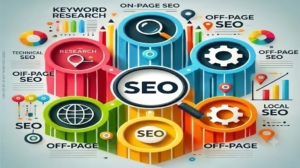
SEO is the process of improving a website’s visibility on search engines such as Google, Bing, and Yahoo.
When users search for products or information online, search engines display the most relevant websites. SEO helps businesses rank higher in those results.
Why SEO Is One of the Most Powerful Marketing Strategies
Most users click on websites appearing on the first page of Google. Very few people visit the second or third pages of search results.
Higher rankings increase visibility, traffic, and credibility.
Types of SEO
On-Page SEO
On-page SEO focuses on optimizing website content and structure.
Examples include:
- Keyword optimization
- Meta descriptions
- Title tags
- Image optimization
- Internal linking
Off-Page SEO
Outside of the website itself, off-page SEO increases the authority of the website.
Examples include:
- Backlink building
- Social sharing
- Influencer mentions
- Brand citations
Technical SEO
Technical SEO improves website performance and user experience.
Examples include:
- Mobile responsiveness
- Website speed optimization
- Secure HTTPS connection
- XML sitemaps
- Crawlability improvements
Benefits of SEO
Long-Term Organic Traffic
SEO continues delivering traffic even months after content is published.
Better User Experience
Optimized websites are easier to navigate and faster to load.
Increased Brand Trust
Users often trust high-ranking websites more than advertisements.
Higher Conversion Opportunities
Targeted traffic increases the chances of generating sales and leads.
Content Marketing
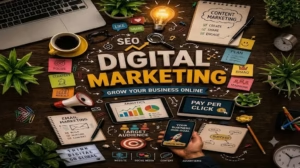
Content marketing involves creating valuable and engaging content to attract and educate audiences.
Instead of directly selling products, content marketing focuses on providing useful information that helps users solve problems or learn something new.
Why Content Marketing Matters
Modern consumers prefer brands that provide value rather than constant promotional messages.
Helpful content builds trust and authority.
Popular Content Marketing Formats
Blog Posts
Blogs improve SEO and educate audiences.
Videos
Video content increases engagement and retention.
Podcasts
Audio content allows businesses to connect personally with audiences.
E-books and Guides
Detailed resources help generate qualified leads.
Infographics
Visual content simplifies complex information.
Case Studies
Real success stories build trust and credibility.
Benefits of Content Marketing
Better Search Engine Rankings
Quality content improves SEO performance.
Increased Audience Engagement
Interesting content encourages interaction and sharing.
Improved Brand Authority
Businesses become trusted industry experts.
Higher Lead Generation
Educational content attracts potential customers.
Social Media Marketing
Social media marketing involves promoting businesses on platforms such as Instagram, Facebook, LinkedIn, TikTok, Pinterest, Snapchat, and X.
Billions of people use social media every day, making it one of the most effective marketing channels available.
Why Social Media Marketing Is Important
Social media allows businesses to connect directly with customers in real time.
Benefits of Social Media Marketing
Increased Brand Visibility
Posts and campaigns can reach large audiences quickly.
Better Customer Engagement
Businesses can interact directly through comments, messages, and live sessions.
Improved Customer Loyalty
Consistent communication builds trust and relationships.
Real-Time Marketing Opportunities
Brands can respond quickly to trends and events.
Community Building
Businesses create loyal online communities around their brand.
Popular Social Media Content Types
Reels and Short Videos
Short videos receive high engagement.
Carousel Posts
Multiple images increase interaction.
Stories
Stories create temporary and engaging content.
Live Streams
Live sessions improve audience connection.
Email Marketing
Email marketing is one of the oldest but still one of the most profitable digital marketing strategies.
It involves sending personalized messages, newsletters, updates, and promotions directly to users.
Why Email Marketing Still Delivers Strong Results
Unlike social media platforms, businesses own their email lists completely.
Emails also provide highly personalized communication.
Benefits of Email Marketing
High Return on Investment
Email marketing often delivers one of the best ROIs in digital marketing.
Personalized Communication
Businesses can customize messages based on customer behavior.
Lead Nurturing
Emails guide users through the customer journey.
Customer Retention
Regular communication keeps customers engaged.
Increased Sales Opportunities
Promotional emails encourage repeat purchases.
What is Performance Marketing?

Performance marketing is a form of digital advertising where advertisers pay only when specific actions are completed.
Unlike traditional advertising, which focuses on exposure, performance marketing focuses entirely on measurable outcomes.
Businesses track every click, lead, conversion, or sale generated by campaigns.
Main Goals of Performance Marketing
In digital marketing vs performance marketing, performance marketing focuses on measurable actions such as:
- Website clicks
- Product purchases
- Lead generation
- App installs
- Email sign-ups
- Form submissions
- Customer registrations
How Performance Marketing Works
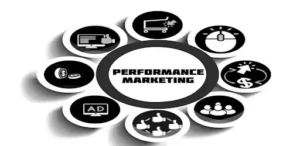
Performance marketing depends heavily on tracking systems, advertising platforms, analytics tools, and optimization techniques.
Every user interaction is monitored and analyzed to improve campaign performance.
Common Performance Marketing Pricing Models
Cost Per Click (CPC)
Businesses pay whenever users click on advertisements.
Cost Per Acquisition (CPA)
Advertisers pay only when conversions occur.
Cost Per Lead (CPL)
Payment is made for qualified leads.
Cost Per Mille (CPM)
Businesses pay for every thousand ad impressions.
Revenue Sharing
Affiliates receive commissions based on generated sales.
Digital Marketing vs Performance Marketing
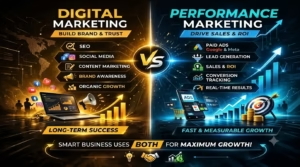
Key Differences Between Both Strategies
| Feature | Digital Marketing | Performance Marketing |
| Main Goal | Brand awareness and engagement | Measurable conversions |
| Focus | Long-term business growth | Immediate results |
| Strategy | Broad online marketing | Data-driven campaigns |
| Metrics | Traffic, engagement, reach | CPA, ROI, sales |
| Timeline | Gradual growth | Faster performance |
| Cost Structure | Fixed marketing investment | Pay-for-results |
Advantages of Digital Marketing
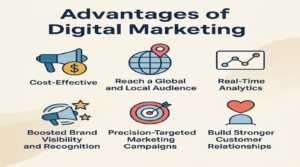
Builds Strong Brand Recognition
Digital marketing helps businesses become more visible and memorable.
Why Branding Is Important
Customers Trust Familiar Brands
Recognizable businesses often attract more customers.
Strong Branding Creates Loyalty
Customers return to trusted brands repeatedly.
Supports Long-Term Growth
Organic marketing strategies continue delivering value over time.
Long-Term Benefits
Sustainable Traffic
SEO provides ongoing website visitors.
Reduced Advertising Dependence
Businesses rely less on paid promotions.
Improves Customer Relationships
Digital marketing encourages direct communication and interaction.
Relationship-Building Methods
Social Media Conversations
Businesses connect personally with audiences.
Valuable Educational Content
Helpful blogs and videos improve trust.
Advantages of Performance Marketing

Delivers Immediate Results
Performance campaigns can generate traffic and sales quickly.
Why Fast Results Matter
Quick Customer Acquisition
Businesses grow faster.
Faster Revenue Generation
Paid campaigns increase conversions rapidly.
Highly Measurable Campaigns
Every campaign action can be tracked and optimized.
Important Metrics
Conversion Rate
Measures successful actions.
Return on Ad Spend (ROAS)
Measures campaign profitability.
Click-Through Rate (CTR)
Tracks user engagement.
Customer Acquisition Cost (CAC)
Calculates the cost of gaining customers.
Advanced Audience Targeting
Performance marketing platforms offer detailed targeting options.
Popular Targeting Methods
Interest-Based Targeting
Ads target users based on interests.
Behavioral Targeting
Campaigns focus on user activities.
Retargeting Campaigns
Businesses reconnect with previous website visitors.
Why Combining Both Strategies Is Important

The most successful businesses combine digital marketing and performance marketing together.
How Both Strategies Work Together
Digital Marketing Creates Awareness
SEO, blogs, and social media build visibility and trust.
Performance Marketing Generates Conversions
Paid campaigns convert audiences into customers.
Together They Create a Full Marketing Funnel
Businesses can attract, nurture, and convert users effectively.
Future Trends in Digital Marketing and Performance Marketing
Artificial Intelligence in Marketing
AI tools are changing online marketing completely.
AI Applications
Chatbots
Automated conversations improve customer support.
Predictive Analytics
AI predicts customer behavior patterns.
Personalized Recommendations
Businesses deliver customized experiences.
Video Marketing Growth
Video content dominates online engagement.
Why Video Marketing Is Growing
Higher Engagement Rates
Videos attract more attention than text.
Better Conversion Rates
Videos improve customer confidence.
Digital Marketing vs Performance Marketing: Voice Search
Voice assistants are changing search behavior.
Importance of Voice Search
Digital Marketing vs Performance Marketing becomes important in voice search because businesses need both brand visibility and measurable results.
Conversational Search Queries
Users search naturally using voice, making Digital Marketing vs Performance Marketing an important consideration for businesses.
Increased Mobile Searches
Voice search usage continues growing rapidly, influencing how businesses approach Digital Marketing vs Performance Marketing.
Final Conclusion
Digital Marketing vs Performance Marketing is an important comparison for businesses looking to grow in today’s competitive online environment. Digital marketing focuses on building brand awareness, customer engagement, online visibility, and long-term relationships, while performance marketing focuses on measurable results such as leads, conversions, sales, and return on investment. Both approaches have different purposes, but they can work effectively together. Digital marketing helps businesses build a strong and trusted online presence, while performance marketing helps generate measurable actions and track campaign results. The right strategy depends on a business’s goals, target audience, budget, and expected results. By understanding the differences between digital marketing and performance marketing, businesses can create a balanced marketing strategy that supports sustainable growth and long-term success.
Author : Ashwin